By Victoria Munthali Chiumia
Manager, Community Health, Partnerships and Quality | Last Mile Health Malawi
As someone who has dedicated my career to bringing quality care to all people through community health, I feel privileged to work in my country, Malawi. Here, 84% of our population lives in rural areas, with nearly one quarter of this rural population living more than eight kilometers from the nearest health facility. Often, community health workers offer the only bridge to the health system, and the Government of Malawi has recognized their power and potential in addressing its most urgent health priorities: reducing maternal and child mortality.
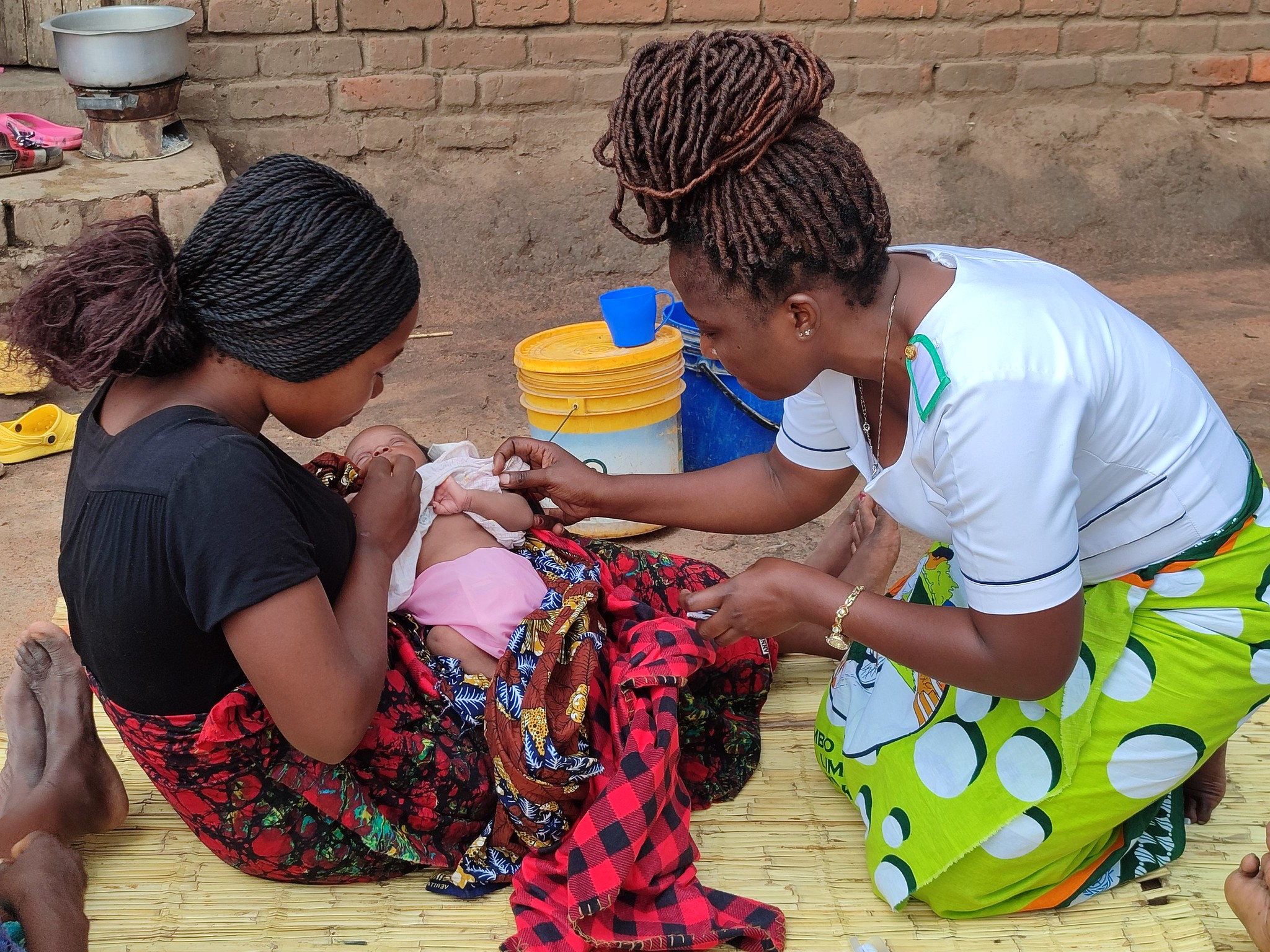
A community health worker conducts a postnatal checkup.
For community health workers to be effective, they need to be fully integrated into the primary health system and supported by strong, sustainable financing. Alongside funding and technical partners, the Government of Malawi is making big strides toward this goal—and ensuring community health workers have the support they need, even amid major reductions to foreign aid.
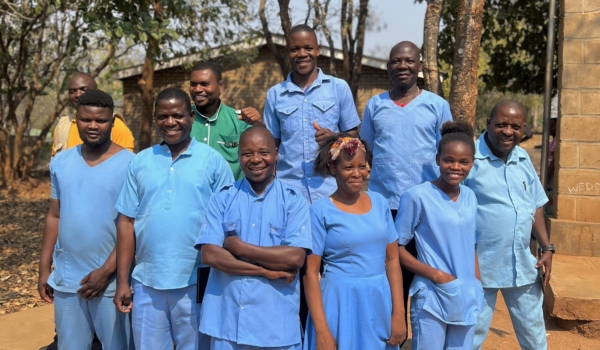
Malawi has recognized community health workers since the 1970s, and launched a new national community health worker program in 2017, designed with the aim of delivering integrated primary care to remote communities. The Government of Malawi worked in thoughtful collaboration with the Global Fund to strengthen the community health program and deepen domestic financing, pairing Global Fund investments with a government commitment to place community health workers on the government payroll. The number of community health workers has increased twofold in the past four years, and community health workers’ salaries are now part of the domestic budget.
This success story reminds us that community health worker programs are cost-effective and high-impact, but that impact can only be sustained if programs stay funded and community health workers are salaried and supported. As ministries of health across Africa grapple with foreign aid shifts, a domestically funded community health workforce has provided much-needed resilience in Malawi. For instance, when foreign aid–funded mobile clinics were suspended over the past year, community health workers stepped in to maintain essential maternal health services.
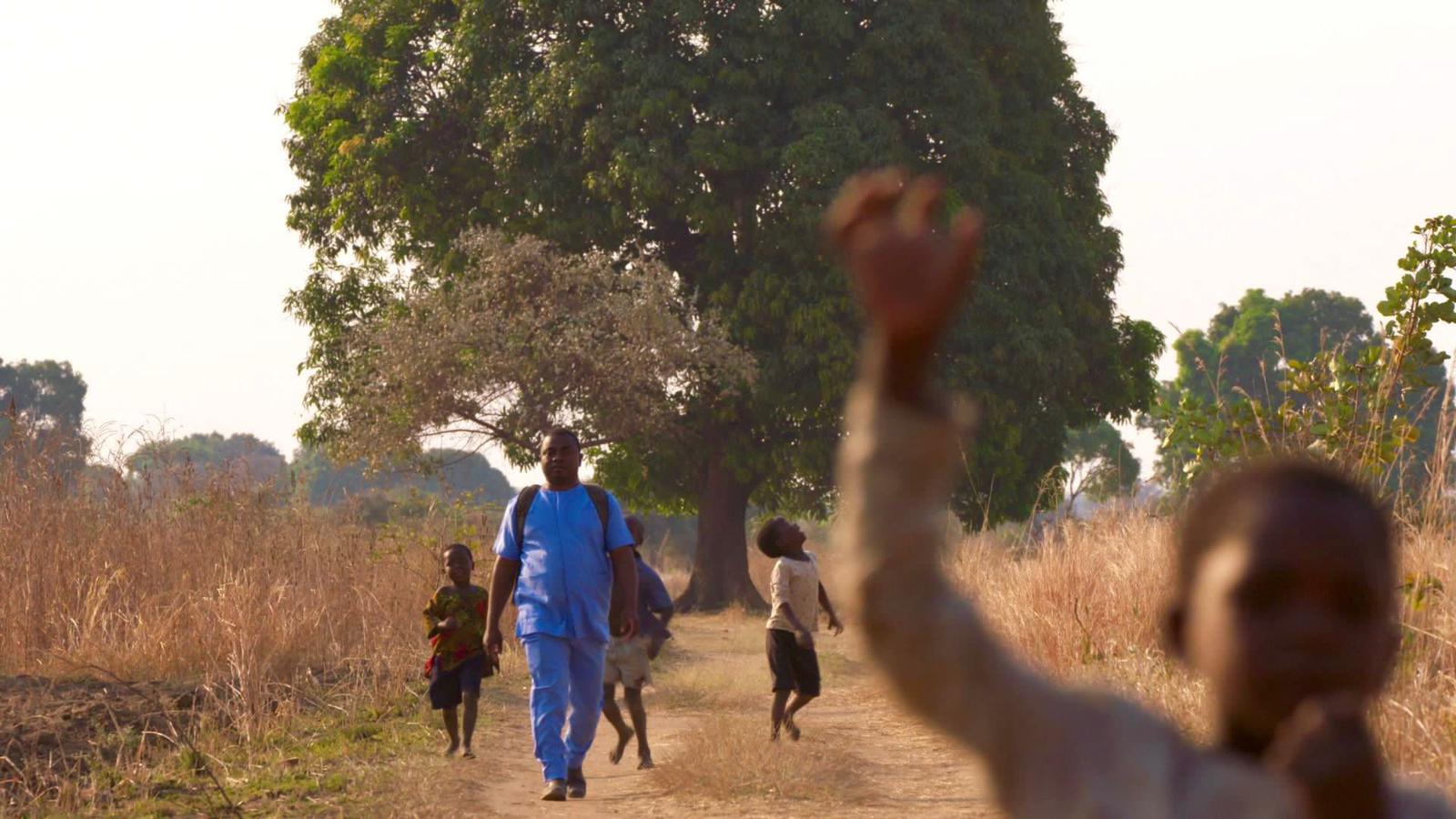
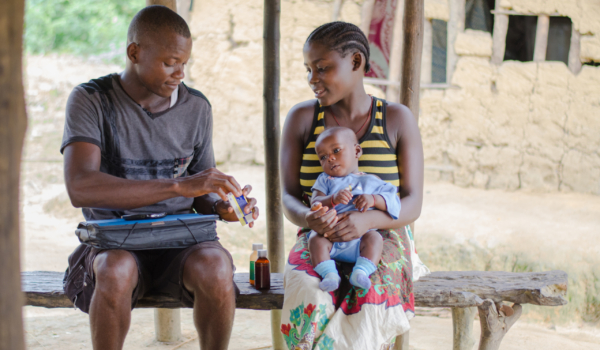
A community health worker on the way to visit patients in Salima district.
But although community health workers’ salaries are on the government payroll, the support they require to work at their best is not. To drive sustainable financing for integrated community-led primary care, the Ministry of Health and technical partner Last Mile Health are leveraging the work we’ve done through the Building Integrated Readiness for Community Health (BIRCH) Project, an initiative from the Global Fund that injects catalytic funding into community health programs to support governments in building and sustaining effective, resilient systems. Through this project, we’ve developed a costed operational plan for the community health program, breaking down the resources needed for it to function at a high level. We then completed resource mapping to provide a clear overview of who is funding what, where, and how. These tools equip the Ministry to identify what the program needs to succeed and where increased funding can fill gaps. We’ve been able to demonstrate where community health workers fit into the primary care system, making a clear case for the lifesaving value of the preventive care they deliver.
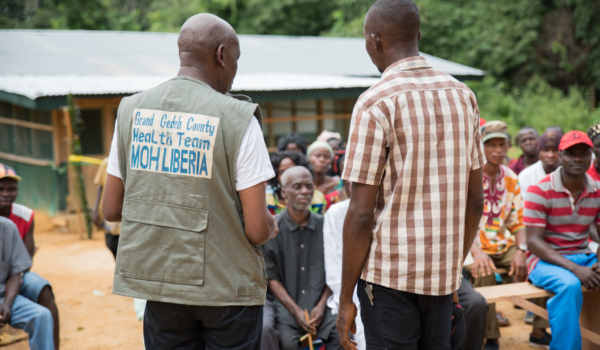
As governments and their partners search for sustainable solutions in a reality where resources are tight, Malawi is a country to watch. The government has made ambitious commitments toward increasing sovereign financing for health, putting us on track to achieve universal health coverage by 2030. With a new health financing strategy that centers community health workers, the Ministry of Health and partners have established clear plans to align funding with community health goals. The Ministry has committed to hiring and training more community and frontline health workers, and in partnership with Last Mile Health, they’re strengthening training with a focus on maternal and child health and connecting community health workers to Malawi’s digital health information system. Together, we continue to advocate for innovative domestic financing solutions.
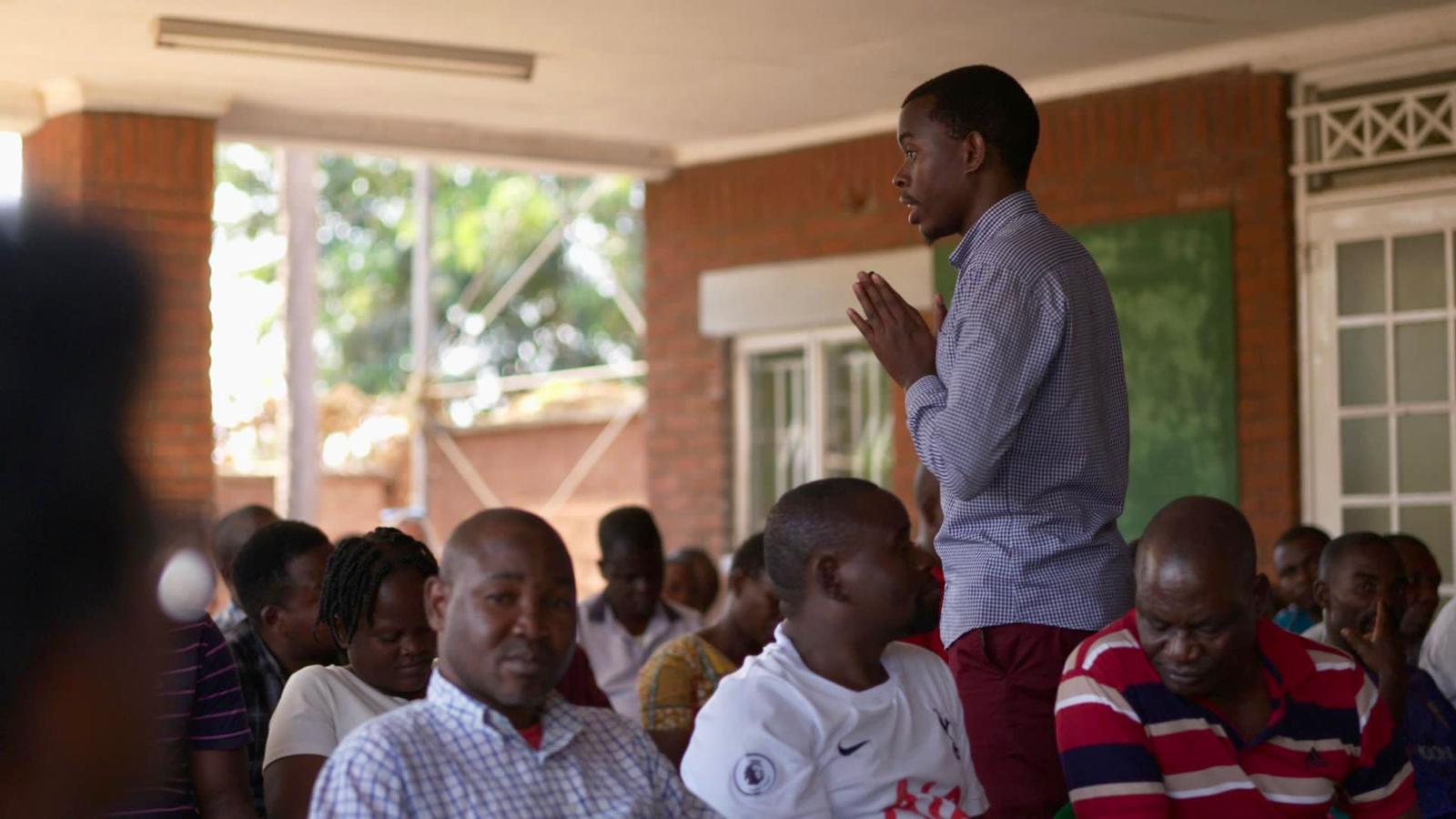
A community health worker training session.
Every country has unique challenges when it comes to community health, but in every context, strong financing is essential. Despite the upheaval of the past year, I’m indeed hopeful. Leaders are seeing the power of community health workers in action, and seeing how innovations in training, systems, and digital health can drive better patient care even while reducing costs. Across countries and communities, it’s clear that community health workers can provide the care women and children need to survive and thrive. Putting this into action is a matter of strong financing, and with government will and trusted partnership, sustainable community health programs are achievable. I believe in a future where everyone can access quality primary care. Every day, we’re working together to come closer to that future.
This letter was originally published as part of Last Mile Health’s January 2026 Six-Month Report. Read the full report here.