TRAIN
HEALTH WORKERS
In partnership with governments, we upskill and grow the community health workforce to increase their performance and deliver quality primary care to patients, with a focus on women and children.
Skilled health professionals at every level of the health system are required to manage, deliver, and sustain community-based primary healthcare, which can transform access to care at the last mile.
We partner with governments to train and grow the community health workforce. As a result, community and frontline health workers acquire new knowledge and skills and apply them in the delivery of primary health services. Additionally, health systems leaders develop and supplement their expertise to manage community health programs.
Meet Jerome Gardiner
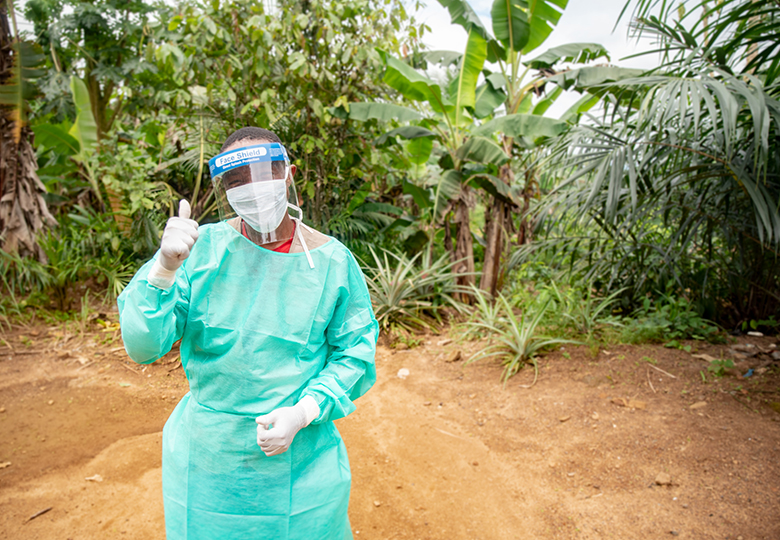
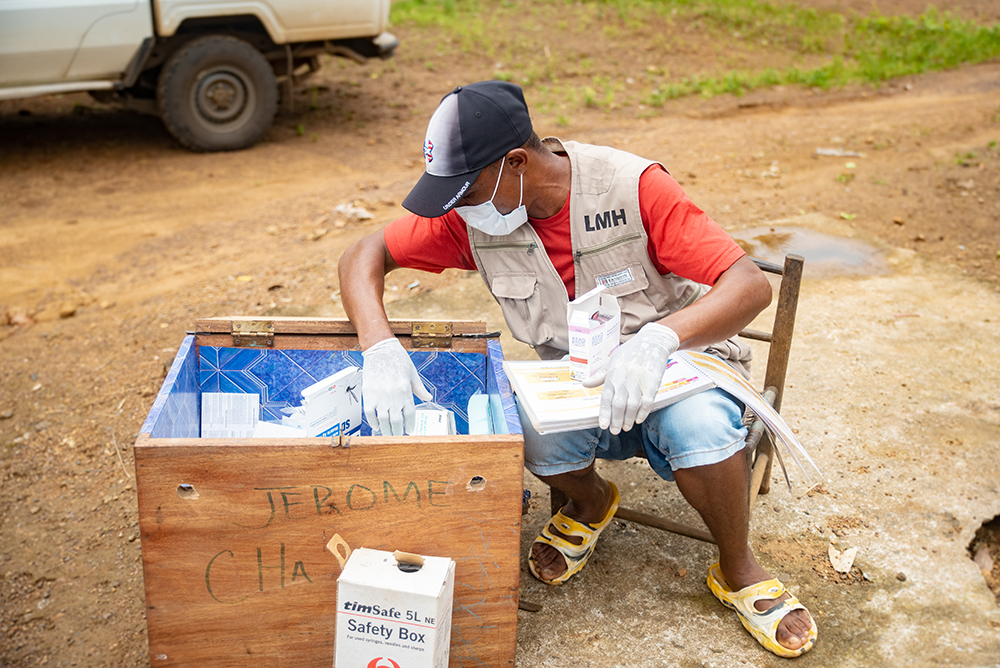
For those living in rural and remote communities around the world, community health workers like Jerome Gardiner are the primary point of contact with the health system.
Employed as part of Liberia’s National Community Health Program, Jerome serves the daily health needs of his neighbors. Over the course of a few months, Jerome was trained in basic skills to diagnose and treat preventable diseases—from treating children for malaria and pneumonia, to ensuring mothers have a birth plan to deliver in the clinic, to delivering contraceptives and screening for high blood pressure—and to deliver health promotion messages. Although the nearest clinic is more than five kilometers away, Jerome is able to team up with his supervisor and other frontline health workers to create a strong referral link for patients who require additional care. Jerome and his peers are supported by health leaders and program managers at the local and national levels who monitor program outcomes and ensure consistency and sustainability.
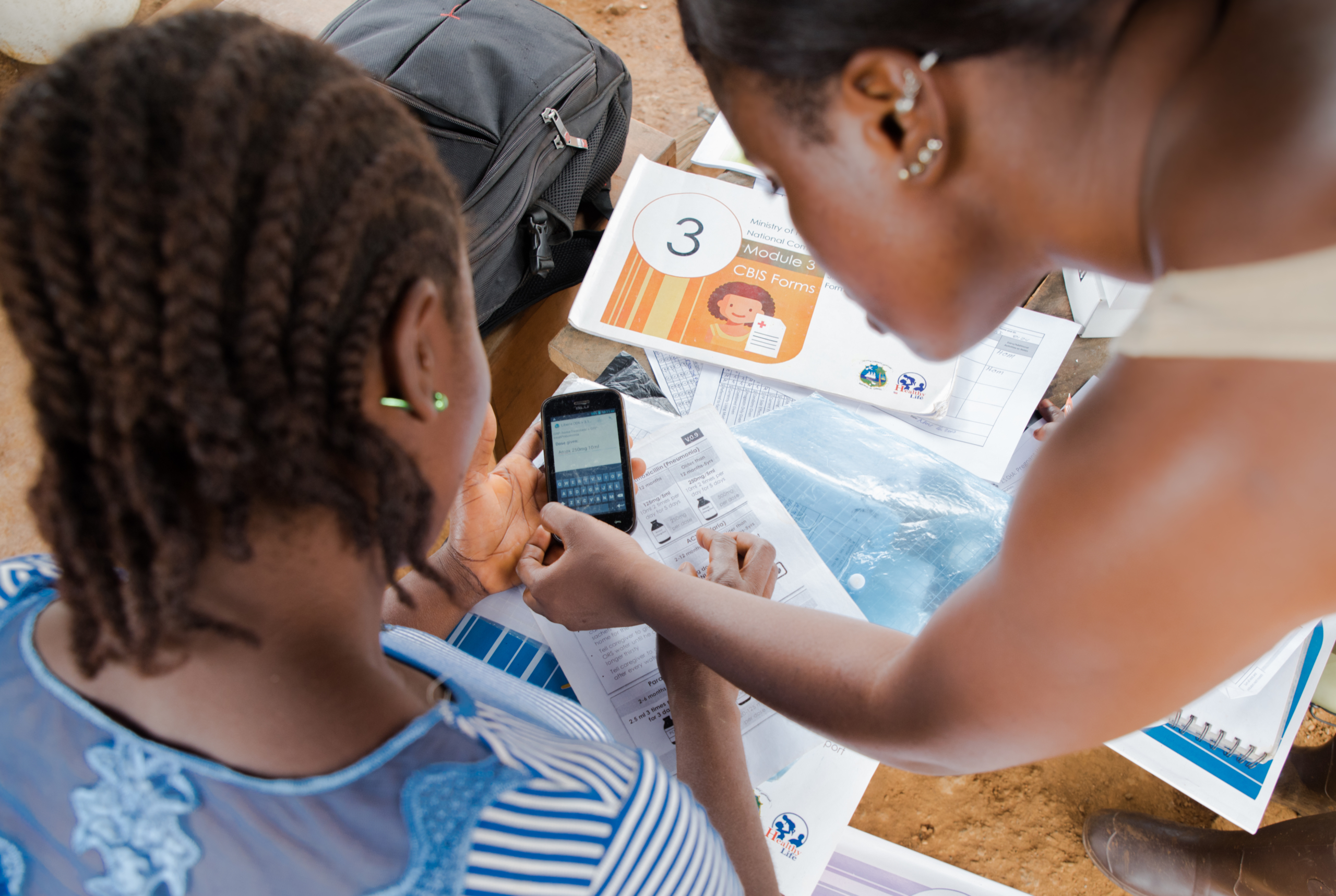
Community and frontline health workers
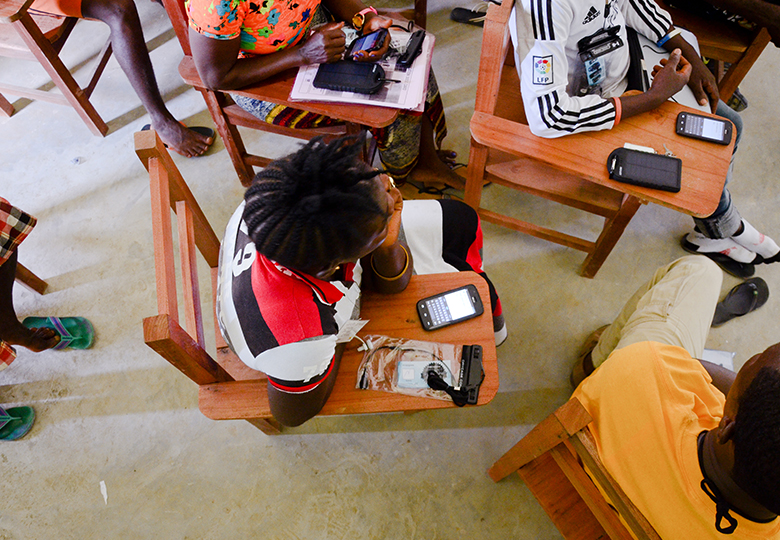
Through strong training, standardized implementation, and digital tools, we work side by side with governments to ensure community and frontline health workers acquire and apply strong knowledge and skills in primary care delivery.
In Ethiopia, the Ministry of Health has adopted our blended learning approach for all community health worker training. We have adapted all content into this innovative approach, which cuts costs by 39% while delivering strong gains in knowledge and skills. Modules include a first-of-its-kind training in non-communicable diseases, preparing the 40,000-strong community health workforce to address Ethiopia’s leading cause of mortality.
In Liberia, where we have worked for nearly 20 years, we helped design the first national curriculum for the National Community Health Program and scale it nationally. We continue to partner in refining existing content and developing new content: when Liberia rolled out its first malaria vaccine in 2024, we worked alongside the Ministry of Health to train community health workers and supervisors on community education and patient tracking to connect families with the vaccine and ensure children receive all doses.
In Malawi, we work alongside the Ministry of Health to scale training in community-based maternal and child health for community health workers and other frontline health workers, including community midwife assistants.
In Sierra Leone, we’ve partnered with the Ministry of Health to revise the curriculum and strengthen monitoring and evaluation for the training of a new cohort of over 8,000 community health workers, who provide a fully integrated package of primary care services to patients in remote communities.
Join Us
TO BRING A HEALTH WORKER
WITHIN REACH OF EVERYONE,
EVERYWHERE.
SUPPORT OUR WORK >