Dear partners,
One lesson I’ve learned over the course of my career is that funding is never just about money. Every investment reflects a decision about who gets to set priorities, whose expertise is trusted, and who ultimately holds power.
I’ve found the greatest satisfaction not simply in mobilizing resources for global health, but in helping ensure those resources strengthen government and community leadership rather than substitute for it. When investments expand local agency instead of creating dependency, they build systems that endure long after any one grant or organization is gone.
This conviction has been underscored by a powerful new call to action amid the challenges of a changed financial landscape: the Accra Reset. Launched last year under the leadership of President John Dramani Mahama of Ghana, it proposes a new standard for development, with an explicit call for countries to transition from aid dependency to health sovereignty.
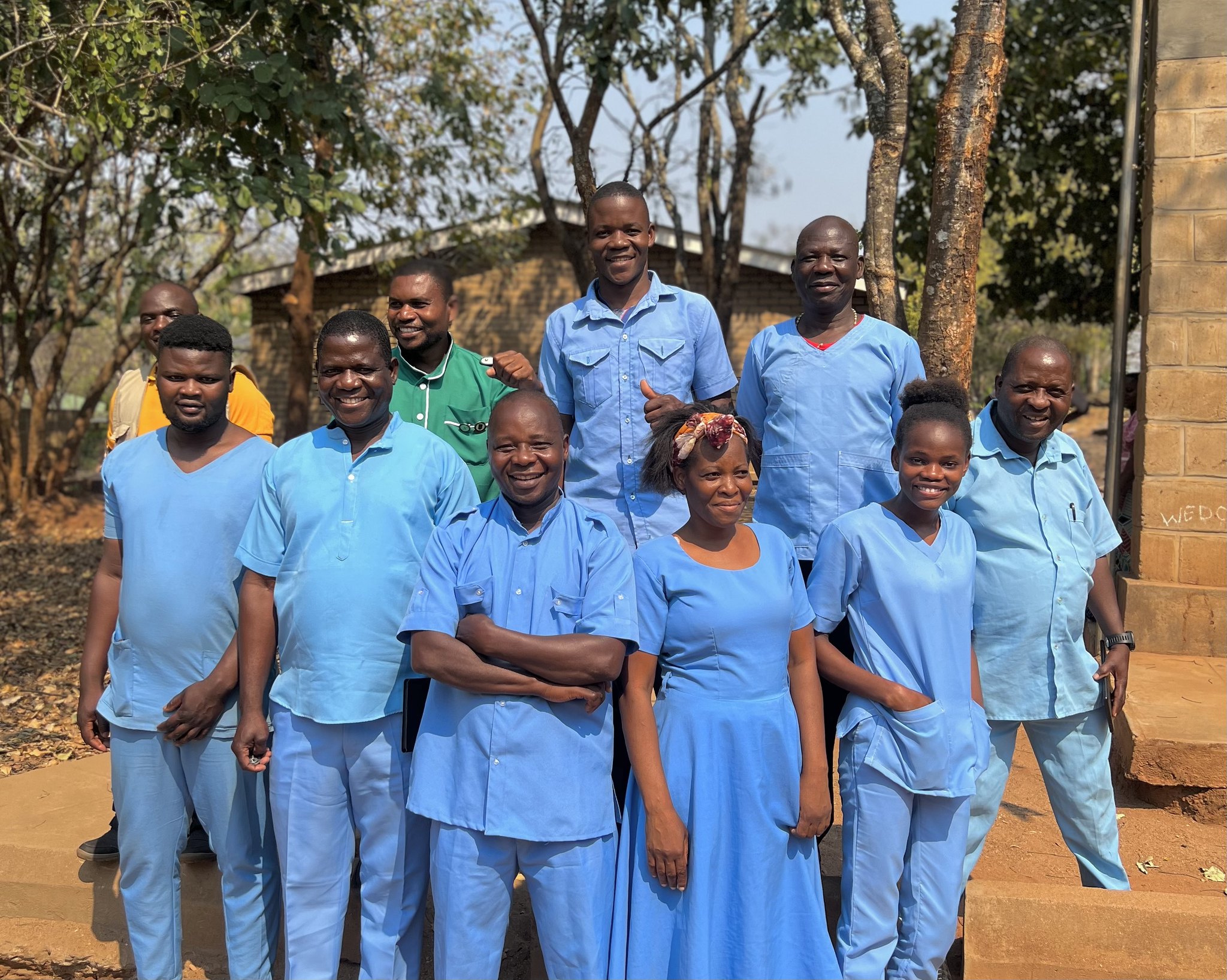
Community health workers in Malawi’s national program.
Health sovereignty is grounded in the right and capability of individuals, communities, and governments to own and manage their healthcare choices. Individually, it means each person can access the services they want and make informed choices free of coercion and scarcity. For communities, it means culturally sensitive, dignified care and self-determination. Nationally, it means political autonomy and setting priorities based on domestic needs.
These values are core to Last Mile Health’s approach. Since our founding, our work has centered on government ownership and community-led primary care. We know successful health systems must be built with ministries of health setting the agenda, inviting partners to offer technical expertise on how to address the challenges governments have prioritized. From the start, programs must build toward government ownership that will include both their day-to-day management and how they’re financed and led long-term. This lays the foundation for lasting change at the systems level and real impact for communities and individuals.
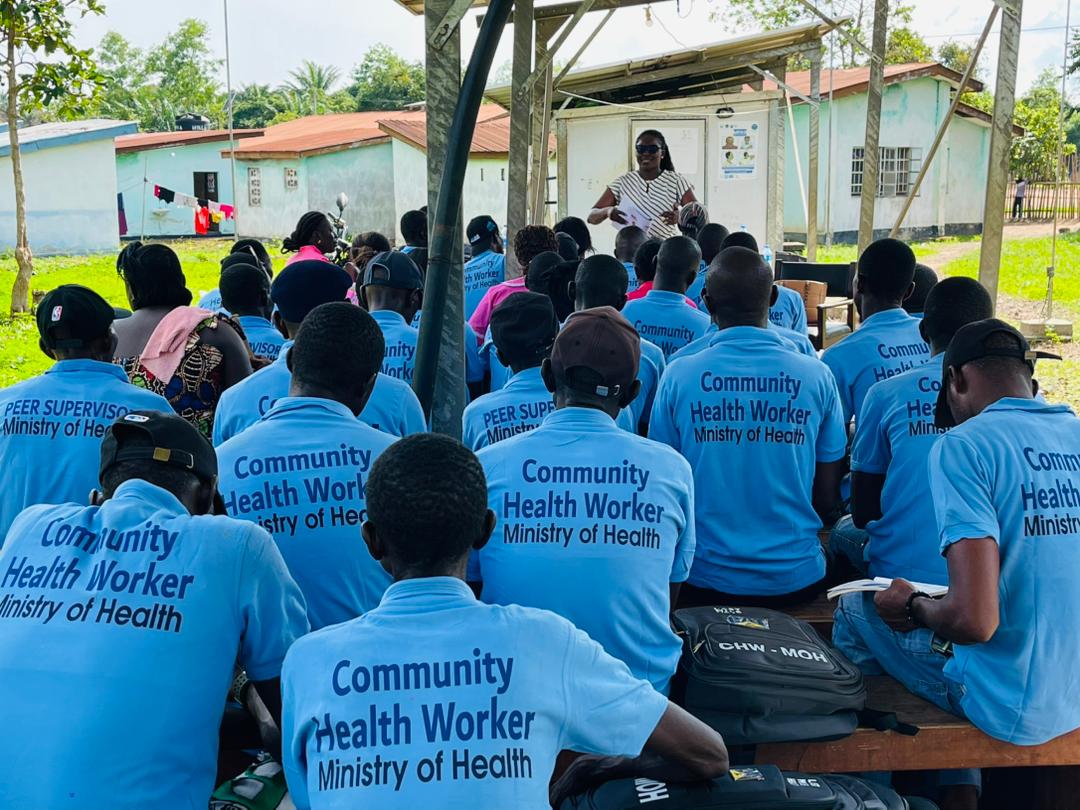
Community health workers in Sierra Leone attend training.
Integrated primary care—with community health workers delivering a full package of primary health services—is our best bet for achieving health sovereignty, offering an evidence-backed model for expanding healthcare access to all people, including those in the world’s most rural and remote communities. As the call for health sovereignty gains momentum, Last Mile Health will continue to share our lessons learned from two decades of partnership with ministries of health to design, launch, scale, and transition national community health programs. Health financing is particularly critical at this juncture, and our work in our country programs and through Africa Frontline First positions us to offer insights to governments seeking to map resources, reduce program costs, and develop sustainable financing through domestic resource mobilization and strategic philanthropic investment.
Recent crises—from foreign aid cuts to the ongoing Ebola outbreak in the Democratic Republic of Congo—underscore the need for systems that can withstand shocks. Community health workers are positioned to identify and respond to outbreaks, share information, and maintain the routine care that often breaks down under strain. To save lives that would be lost both to disease and to the disruption of regular health services, sovereign and sustainable health systems are essential.
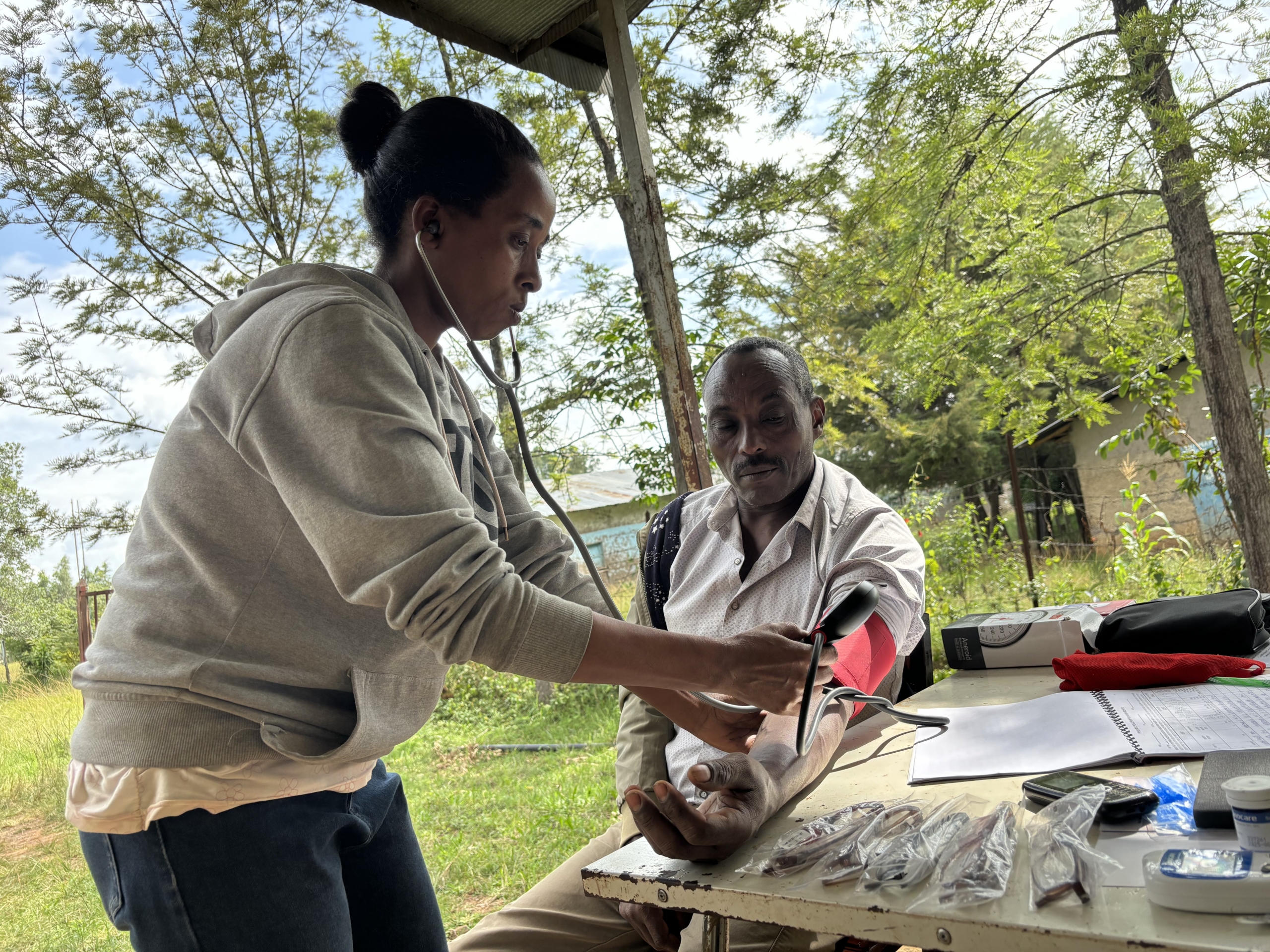
A community health worker in Ethiopia screens a patient for hypertension.
Achieving the vision set out in the Accra Reset will take time. It will require re-allocating domestic resources, securing smart investments from funders who understand governments are best positioned to determine how to leverage those investments, and partnering with technical experts who can provide expertise in designing sustainable systems. It will be messier than we’d like to imagine. But examples from our own work demonstrate it is possible—and proven.
- In Liberia, the National Community Health Program reached full scale eight years after its launch, and key transitions toward government ownership (such as the direct management of the program in Grand Gedeh and Grand Bassa Counties) demonstrate its durability.
- In Ethiopia, where Last Mile Health designed an effective and cost-effective blended learning approach for community health worker training, the Ministry of Health is now independently leading training in a growing number of woredas.
- And in Malawi and Sierra Leone, government investment is driving integrated care delivery by community health workers, meaning more people can access more services.
All four health systems are at different stages of maturity, with differing resources, yet all four have tracked progress toward health for all. As governments seek a path toward strong, sustainable, and sovereign health systems, these programs offer replicable examples.
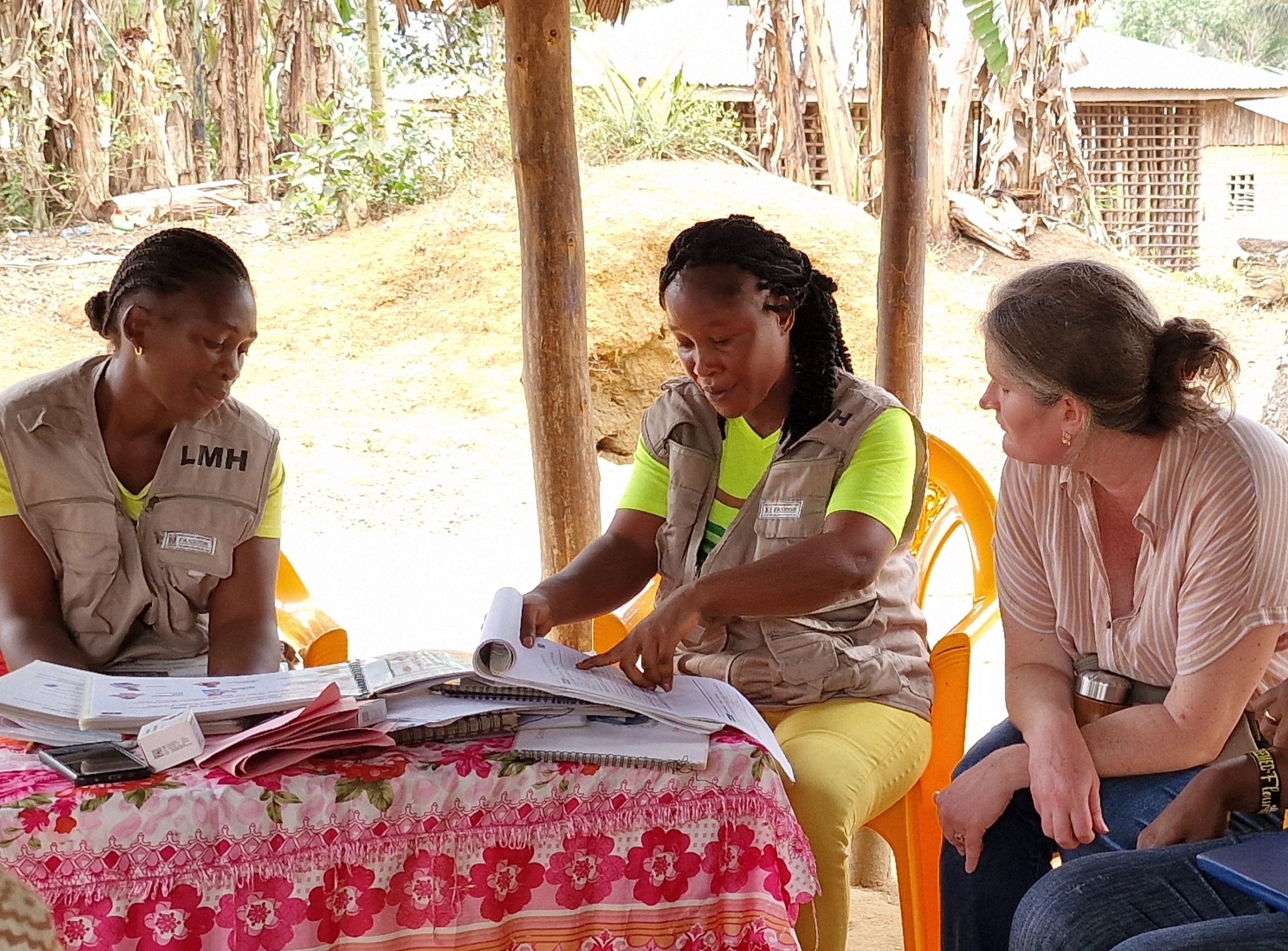
Last Mile Health CEO Lisha McCormick meets with community health workers in Liberia.
Despite the challenges of the new financial landscape—underscored by the tragedy of the Ebola outbreak—I remain convinced that we can achieve a future where everyone, everywhere can access healthcare. Health sovereignty is crucial to this future. For families in the world’s most remote communities, and for the community health workers who deliver their care, this is the future we must strive toward until no patient is out of reach.
Truly,
Lisha